_400_250_c1.png)
Climate Action Coalition
A global community focused on the urgent delivery of our 2030 climate goals.
A global community focused on the urgent delivery of our 2030 climate goals.
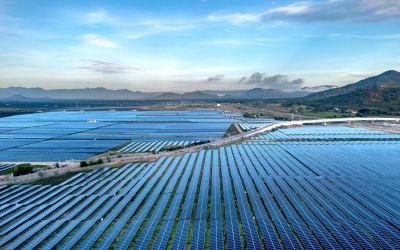
Businesses around the world continue to view sustainability as a source of long-term growth and resilience, but many are warning that inconsistent climate policy could make the transition to a low-carbon economy more costly and disruptive.

New research is offering a more detailed picture of where some of the world's most climate-resilient coral reefs are located, providing valuable information for conservation efforts at a time when marine ecosystems face mounting pressure from rising ocean temperatures.

Artificial intelligence is helping scientists uncover new insights into how climate change is reshaping the natural world, using data collected long before the technology itself existed.
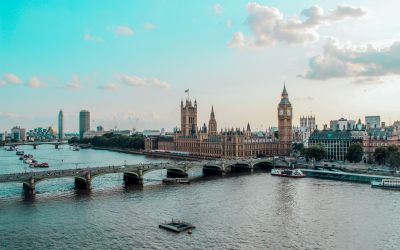
The UK government has agreed to give Parliament a stronger role in shaping its climate strategy, expanding oversight of the Seventh Carbon Budget and widening the scope of emissions under review.

A new report makes the case that infrastructure strategy is now central to climate strategy, and outlines what's needed to build for a low-carbon future.

Four leading technology companies have joined forces to support the next generation of sustainable data centre technologies. Through a new initiative led by Elemental Impact, Amazon, Google, Meta and Microsoft will help fund startups working on cleaner, more efficient infrastructure solutions.
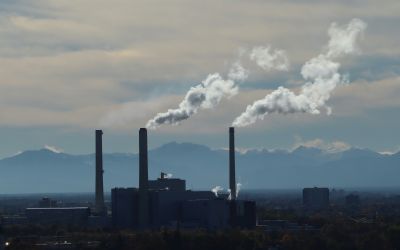
The UK has long signalled its ambition on carbon capture. Now, in Cheshire, that ambition is taking physical shape.
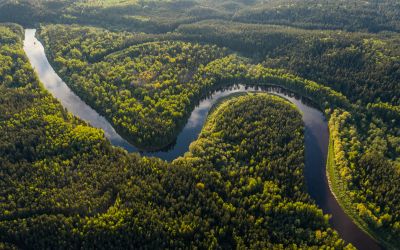
Brazil has recorded its lowest deforestation figure since monitoring began, marking an important step for conservation efforts. For businesses, the latest data highlights both the progress being made and the ongoing importance of managing nature-related risks.

COP31 co-presidents Türkiye and Australia are calling for renewed multilateral commitment on climate action, with clean energy and resilient infrastructure at the top of the agenda. As legal accountability for climate inaction grows and the multilateral process faces scrutiny, the stakes around the November summit are coming into focus.
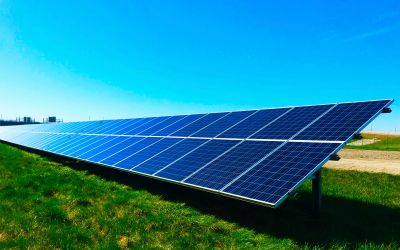
Wind and solar have beaten gas in global electricity generation for the first time. Here is what the data shows, and what it means for energy and sustainability leaders.

A new report from the Climate Change Committee warns that Britain is unprepared for rising temperatures and calls for stronger protections against extreme heat in workplaces and public buildings.
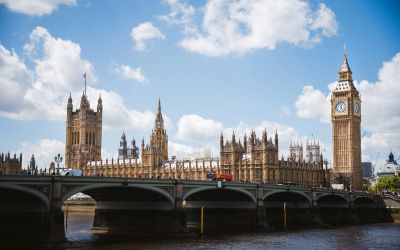
The proposed legislation positions renewable power and domestic energy production at the centre of Britain’s long-term growth and security strategy.
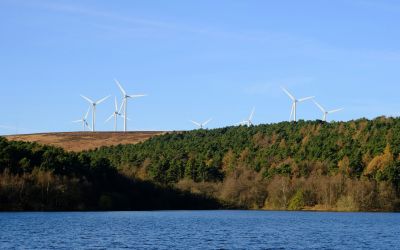
A new Tony Blair Institute report argues that without artificial intelligence, the cost and complexity of Britain’s clean-energy transition will remain unnecessarily high, with balancing costs potentially reaching £8 billion a year by 2030.
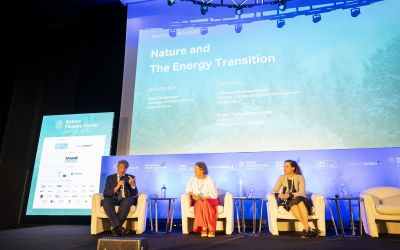
As biodiversity loss accelerates and climate shocks intensify, a quiet revolution is taking place in boardrooms, finance ministries and supply chain teams around the world. Nature — long treated as an externality — is being recognised as the very foundation of economic security. On 22 June 2026, the Nature Stage at the Climate Innovation Forum will bring together 300 of the world's most influential policymakers, investors, corporate leaders and innovators to confront this reality head-on — and, critically, to act on it.
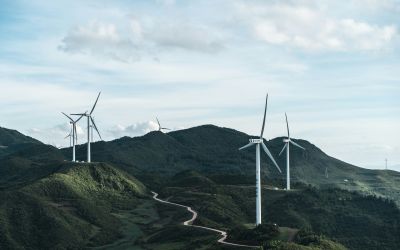
After 21 months of flat or falling emissions driven by record renewable expansion, China may be approaching a turning point, but coal dependence means the real test is whether this momentum can deliver sustained long-term decline.