AI Emerges as Key Tool for Managing Britain’s Clean-Power Transition
A new Tony Blair Institute report argues that without artificial intelligence, the cost and complexity of Britain’s clean-energy transition will remain unnecessarily high, with balancing costs potentially reaching £8 billion a year by 2030.
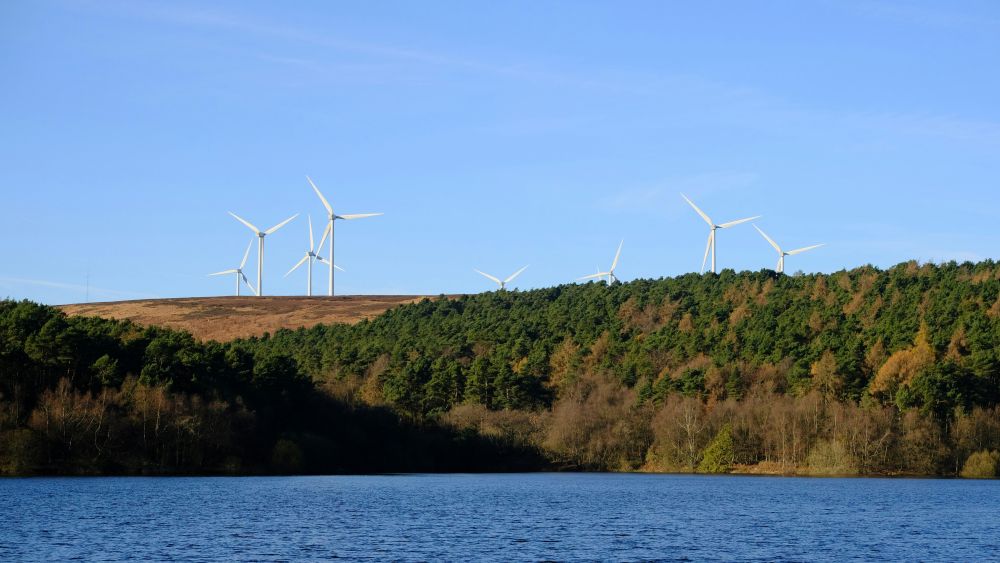
Britain’s electricity system is changing faster than the infrastructure built to support it. Once designed around large, centralised power stations producing predictable output, the grid now has to coordinate millions of distributed assets, electric vehicles, heat pumps, home batteries and rooftop solar panels, many of which both consume and supply energy. The result is a system under enormous coordination pressure that its existing architecture was never built to handle.
A new report from the Tony Blair Institute for Global Change argues that artificial intelligence could be the missing link between generating clean power and using it efficiently, and that without it, the cost of the green transition will remain unnecessarily high.
The numbers underline the stakes. The UK curtailed approximately 8.3 terawatt-hours of wind energy in 2024, electricity that could not be used by the grid, at a cost to consumers of roughly £390–400 million. The National Energy System Operator spent around £2.7 billion balancing the electricity system in 2024–25, a figure that could rise to £8 billion a year by 2030 if grid constraints are not addressed.
The Institute identifies forecasting and load-shifting as one of the most immediate opportunities. By anticipating periods when renewable supply is likely to exceed demand, such as during particularly windy spells, AI systems could shift flexible electricity use, including EV charging and heat pump operation, into cheaper and lower-carbon windows, reducing curtailment and easing pressure on the grid.
Flexibility markets are a second area. AI tools could match households, businesses and vehicle fleets to suitable tariffs and verify when electricity demand has shifted, helping consumers receive flexibility payments more efficiently. A third is network planning, where predictive modelling could help operators determine where grid upgrades are most urgently needed, where investment can be deferred, and how to accelerate new grid connections.
Crucially, the report frames AI as a way of keeping the public on side. Ipsos polling from 2024 shows continued backing for climate action, particularly where consumers can see direct financial benefits. AI-enabled systems could make energy use more responsive without asking households to actively monitor tariffs or grid conditions, with adjustments happening automatically in the background.
The Institute is clear that AI is not a standalone solution. Major grid investment, regulatory reform and clear frameworks around data governance and consumer protection remain essential. But as electricity demand rises through the growth of EVs, heat pumps and data centres, AI is increasingly positioned not as an optional add-on but as a core tool for running a clean-energy system efficiently.