Businesses Call for Stronger Climate Policy to Support the Low-Carbon Transition
Businesses around the world continue to view sustainability as a source of long-term growth and resilience, but many are warning that inconsistent climate policy could make the transition to a low-carbon economy more costly and disruptive.
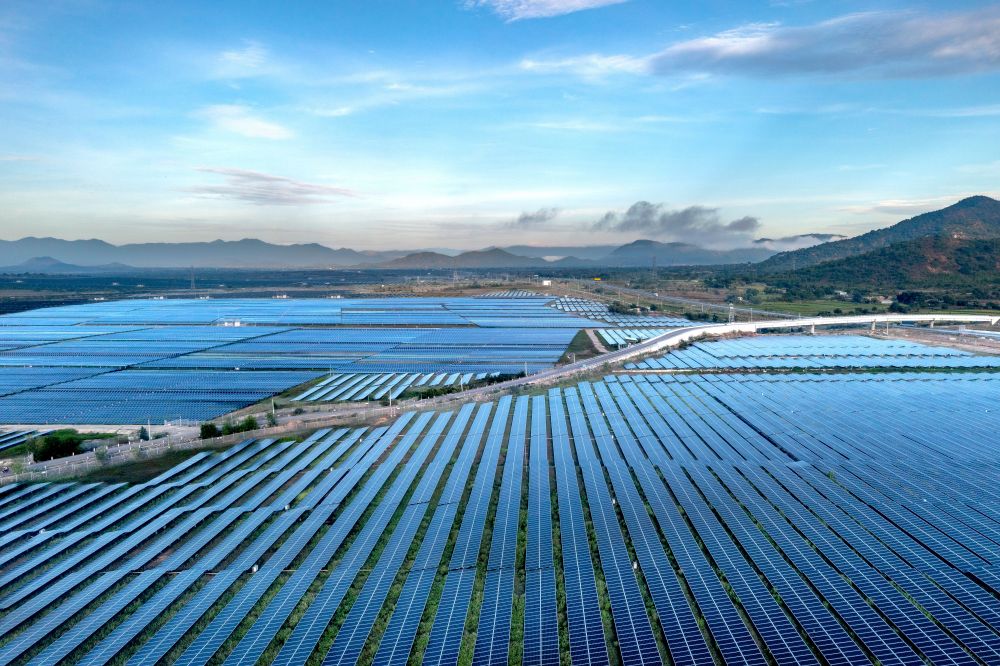
Businesses around the world continue to view sustainability as a source of long-term growth and resilience, but many are warning that inconsistent climate policy could make the transition to a low-carbon economy more costly and disruptive.
According to the latest Business Breakthrough Barometer from the World Business Council for Sustainable Development (WBCSD), more than nine in ten business leaders expect sustainability to become a competitive advantage over the next five to ten years. The report, based on insights from more than 500 senior executives across 50 economies, also found that 89% of businesses are maintaining or increasing investment in sustainability initiatives despite growing economic and geopolitical uncertainty.
However, confidence in the transition is being tempered by concerns over policy uncertainty and increasing climate-related risks. Around 68% of business leaders believe a "disorderly climate transition"—defined as an unplanned and poorly coordinated shift towards a low-carbon economy—is now more likely than it was a year ago. Nearly half of respondents reported experiencing higher climate-related costs over the past 12 months, while only 15% said their organisations are fully prepared to manage the impacts of such a transition.
The report suggests that businesses are looking to governments for greater policy certainty rather than less ambition. Eighty-five per cent of respondents called for stronger, more predictable climate policy, highlighting long-term policy frameworks, investment in clean energy infrastructure and incentives that encourage the deployment of low-carbon technologies. More than one-third also said they would be willing to absorb higher short-term costs if it reduced long-term climate and business risks.
Businesses increasingly view climate action as a commercial imperative as well as an environmental one. The report notes that companies are continuing to invest in areas such as renewable electricity, electrification, circular economy initiatives and regenerative agriculture, driven not only by emissions reduction goals but also by cost competitiveness, energy security and supply chain resilience.
As governments continue developing policies to accelerate the global climate transition, the findings highlight the importance of providing businesses with the confidence to invest. The report concludes that clear, coordinated and consistent policy will be essential to reducing transition risks, unlocking private sector investment and ensuring the shift to a low-carbon economy is both economically sustainable and resilient.