
COP31 ends without a political deal, but some decisions survive
The Antalya Pact – the official political agreement of COP31 - was rejected on the final day of the conference after countries failed to reach a solution. Fossil fuels remain unresolved and delivery on climate goals is left to the work of national governments.
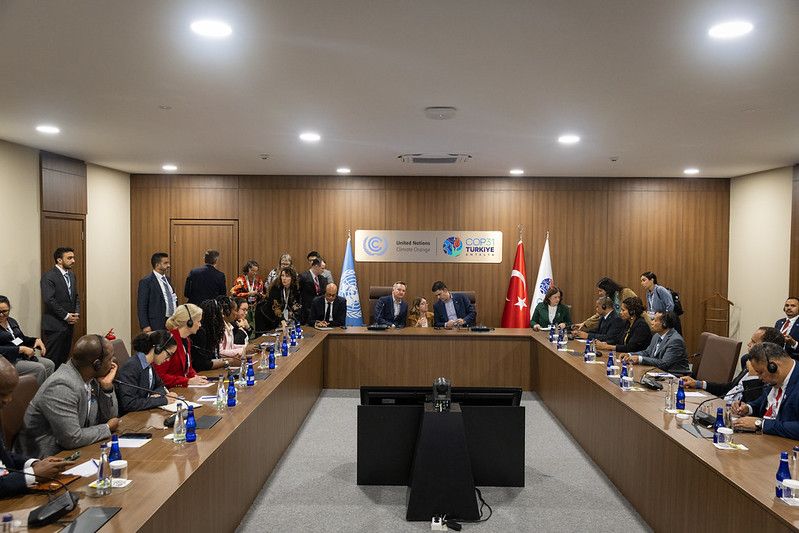
COP31 closed in Antalya on Sunday 22 November, two days after it was due to end, without agreement on its headline political outcome. The Antalya Pact, a set of overarching decisions put forward by the Turkish and Australian presidencies, was not adopted. It is the first time since the Copenhagen summit in 2009 that a COP has ended without an overarching political agreement.
Talks ran for more than 50 hours past their scheduled Friday finish, making this the longest COP on record.
Fossil fuels: the main disagreement
The main reason the talks did not reach an agreement was the topic of fossil fuels. The final draft made no reference to transitioning away from coal, oil and gas. The EU, the UK and a coalition of climate-vulnerable states, including Panama and the Marshall Islands, rejected this on the basis that the text was too weak. Saudi Arabia and other oil-producing states opposed any language on a phase-out and argued instead for carbon capture and storage.
Compromise drafts acknowledged that the world is on course to exceed 1.5°C and called for greater use of carbon removal but could not bridge the divide. COP31 negotiations chair Chris Bowen said the red lines between parties could not be overcome. UN Secretary-General António Guterres said he was deeply disappointed but stressed that the science has not changed. UN climate chief Simon Stiell described progress over the fortnight as limited.
Positive takeaways from COP31
The collapse of the pact did not wipe out everything agreed in Antalya.
Just transition: Governments agreed how workers, communities and other stakeholders can help shape the just transition mechanism. Views must be submitted by 15 March 2027.
Climate finance: The Standing Committee on Finance will report on progress in November 2027, alongside an outline of its report on the collective finance goal.
Loss and damage: No breakthrough on funding. The Fund for responding to Loss and Damage has received 176 requests from 119 developing countries, totalling about $2.8 billion, against an allocation of $342 million.
The 2023 Dubai agreement to transition away from fossil fuels still stands, and the Paris Agreement is unaffected. What Antalya did not deliver is a new collective roadmap for putting the Dubai commitment into practice.
Presidency-led initiatives, including a global target for electricity to supply 35% of final energy consumption by 2035, were not adopted as part of the pact. They remain voluntary pledges.
The gap that remains
UN assessments put current policy projections at around 2.8°C of warming by 2100. National climate plans for 2035 are expected to bring emissions to around 6% below 2019 levels, or about 9% with full implementation of current pledges.
What happens next
The deadline for just transition submissions is March 2027. Further discussion on financing the infrastructure for international carbon trading follows in June 2027. COP32 will take place in Addis Ababa in November 2027 and will inherit the unresolved dispute over fossil fuels.
With no new negotiated roadmap, the pace of delivery will depend on what governments and businesses build, fund and report under commitments already made.