
COP31 reaches its final day: new momentum on electrification, but a weakened draft deal
Antalya has delivered new commitments on energy, buildings and waste. The main negotiated text remains unresolved as talks enter their scheduled last day.
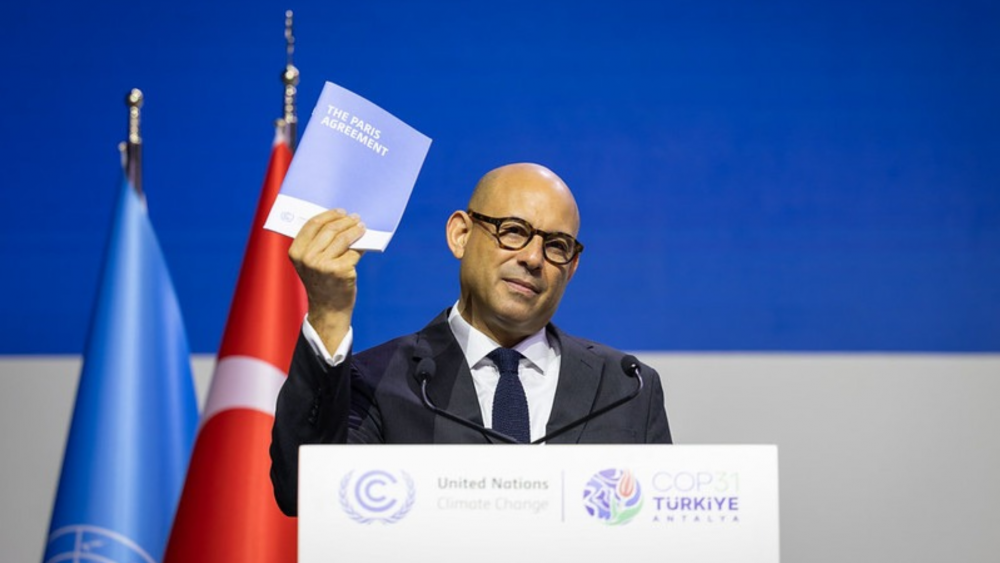
The UN climate summit in Antalya, Türkiye, runs from 9 to 20 November, with talks scheduled to end today - although UN conferences have a history of running over. COP31 has a split presidency, with Türkiye is hosting and Australia’s Climate Change Minister Chris Bowen leading the negotiations.
The clearest progress has come outside the main negotiating text through the Global Climate Action Agenda. Its headline target is the 35-by-35 Global Electrification Pledge, which seeks to raise electricity’s share of global final energy from around 20-23% today, to 35% by 2035. One developement supporting this is the Antalya Compact for Energy Efficient Buildings, launched as a global initiative aiming to cut the energy intensity of the global building stock by 25% by 2035.
This week, the COP31 Electrification Delivery Package brought these and other announcements together. The UN says it covers action by more than 150 countries plus the EU, 37 cities and over 260 businesses. It includes more than 21,000 km of new grid built in 2025 by members of the Utilities for Net Zero Alliance, to 13 zero-emission freight corridors in development. The package is voluntary and the UN acknowledges that it does not deliver everything needed to meet the goals of the Paris Agreement, but it’s a sign of much needed momentum at a turning point for our planet.
There's also been movement on waste and methane at COP31. Twenty districts across Africa, Asia, Latin America and the Caribbean are spearheading local approaches to reuse, repair and recycle under the Istanbul Zero Waste Action Platform. Meanwhile, philanthropic funders have pledged more than US$480 million to cut methane and other super pollutants.
Investment has also been secured. Türkiye says it has agreed deals and plans worth more than $26 billion since the conference began, including a preliminary $15 billion renewable energy deal with China.
The main negotiating text however is less settled. A revised draft, which COP31 President Murat Kurum called the Antalya Declaration, removed all references to transitioning away from fossil fuels and dropped a proposed $120 billion target for adaptation finance.
It is not a final agreement and countries can still demand changes before negotiations close. Bowen said it was the best basis for finding an agreement in the remaining hours, but negotiators remain divided over emissions reductions, climate finance and measures to protect vulnerable countries.
Alongside the talks, the Climate Action Innovation Zone hosted the Sustainable Innovation Forum on 10 November, bringing together over 1,000 leaders from business, policy and finance to focus on delivery. The message that ran through the day was that climate action needs all of us.
Three questions are at the forefront of the remaining hours: whether the final decision restores fossil fuel reduction as a priority, whether it includes a quantified adaptation finance goal, and how the voluntary Action Agenda commitments are followed up. As at past COPs, what happens after the closing session will matter as much as the finalised text – it’s the delivery that matters.