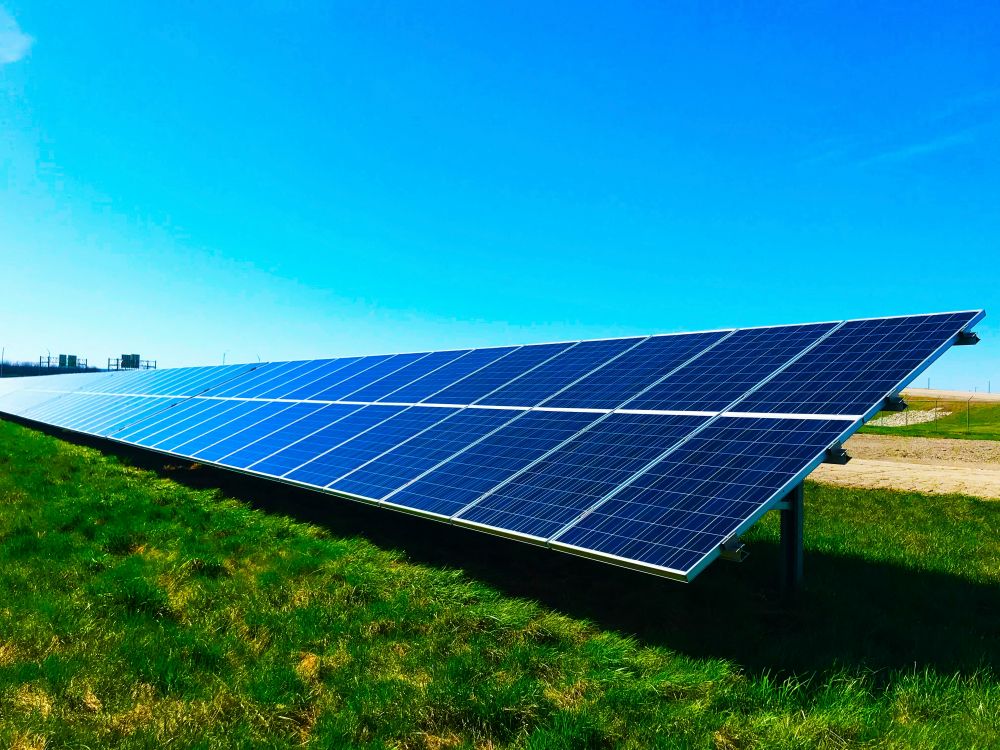
The Infrastructure Decisions Shaping Climate’s Future
A new report makes the case that infrastructure strategy is now central to climate strategy, and outlines what's needed to build for a low-carbon future.
The UK government has agreed to give Parliament a stronger role in shaping its climate strategy, expanding oversight of the Seventh Carbon Budget and widening the scope of emissions under review.
Brazil has recorded its lowest deforestation figure since monitoring began, marking an important step for conservation efforts. For businesses, the latest data highlights both the progress being made and the ongoing importance of managing nature-related risks.
As sustainable finance shifts from ambition to execution in 2026, investors are redefining resilience—pricing geopolitical, climate, and transition risks to unlock long-term, sustainable value across global markets.
COP31 co-presidents Türkiye and Australia are calling for renewed multilateral commitment on climate action, with clean energy and resilient infrastructure at the top of the agenda. As legal accountability for climate inaction grows and the multilateral process faces scrutiny, the stakes around the November summit are coming into focus.
A new Tony Blair Institute report argues that without artificial intelligence, the cost and complexity of Britain’s clean-energy transition will remain unnecessarily high, with balancing costs potentially reaching £8 billion a year by 2030.
As sustainable finance shifts from ambition to execution in 2026, investors are redefining resilience—pricing geopolitical, climate, and transition risks to unlock long-term, sustainable value across global markets.