Waste plastics become molecular sponges that capture water from air
Plastic waste including old CDs, packaging and LEGO can be converted into materials used to capture moisture from the air. Researchers from the University of Vienna have converted the materials into polymer networks that uptake water even in dry climates and release it under moderate heating such as from sunlight.
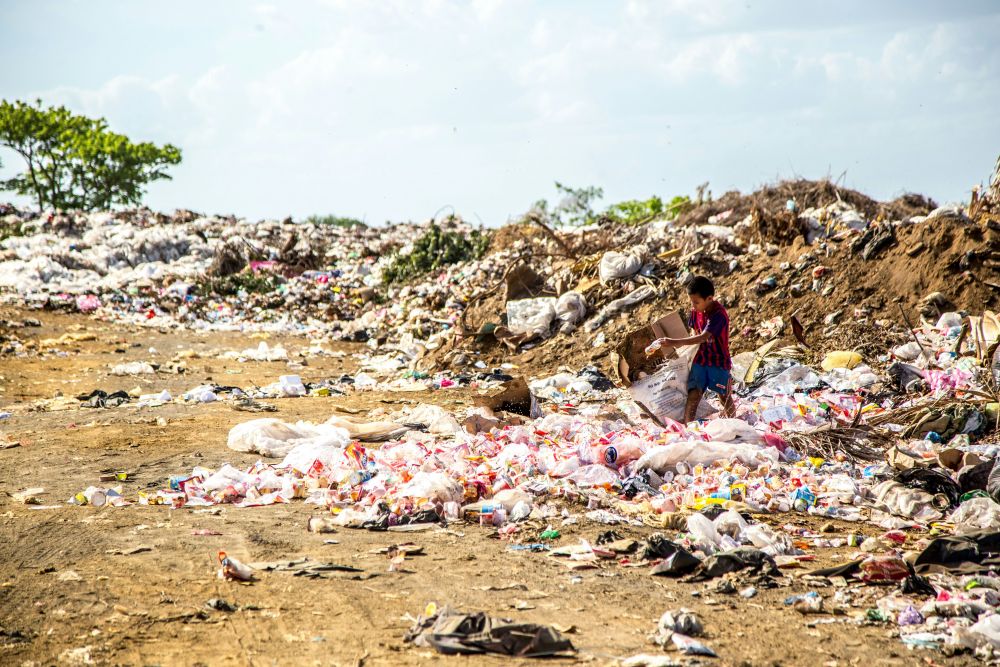
Plastic waste including old CDs, packaging and LEGO can be converted into materials used to capture moisture from the air. Researchers from the University of Vienna have converted the materials into polymer networks that uptake water even in dry climates and release it under moderate heating such as from sunlight.
Plastic waste and water scarcity are two monumental challenges facing our planet. According to Our World in Data, globally we produce 430 to 460 million tonnes of plastic waste annually, with only 9% of this recycled. Meanwhile, according to UNICEF, approximately 4 billion people (nearly two-thirds of the global population) experience extreme water scarcity for up to one month each year. Finding a joint solution could be an innovative way to tackle both.
Harvesting atmospheric water provides an off-grid supplementary water source to tackle water shortages. The Vienna team including chemists Anastasiia Naryshkina, Paul Schweng and Robert Woodward found that treating certain plastics with sulfuric acids enables the materials to develop water harnessing capacities.
The plastics must have molecular structures containing rings of six carbon molecules. The rings act as suitable sites from which to tie polymer chains together, forming a porous network with tiny internal spaces. Sulfuric acids are then applied which adds sulfonic acid groups that attract water. The resulting ‘sponges’ were made from many waste plastic materials such as CDs and Lego, demonstrating the versatility of this treatment.
The work establishes a way to turn several waste plastics into effective materials for the generation of water from air. Further work into assessing the long-term performance and overall resource requirements of the sponges is ongoing.