Geert Verbeeck on Decarbonising Steel Through Circularity and Innovation
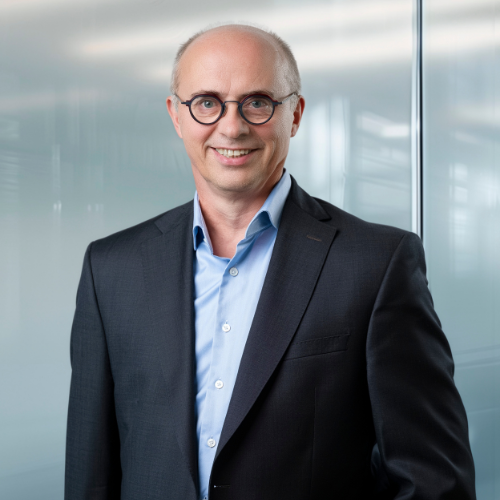
A conversation with Geert Verbeeck, Chief Technology and Information Officer at Aperam
The steel industry is one of the hardest sectors to decarbonise. How is Aperam turning this challenge into an opportunity?
As a leading player in global stainless, alloys, and specialty steels, as well as recycling and renewables, Aperam views decarbonisation as a catalyst for innovation, competitiveness, and transformation. Over the past decade, we have built a fully integrated, circular industrial model centred on recycled materials, renewable energy and resource efficiency.
In Europe, we maximise stainless steel scrap recycling in our electric arc furnaces, powered as much as possible by renewable electricity. In Brazil, we replace fossil-based coke with renewable biomass from our FSC®-certified forest plantations. Although these production routes are different, they pursue the same goal: reducing emissions while securing cost-competitive access to energy and raw materials.
As a result, Aperam’s overall carbon intensity was consistently below half a ton of CO₂ per ton of crude steel (Scope 1+2) for the recent years which is more than 50% below the sector average, according to the International Stainless Steel Forum. Sustainability is embedded across our entire value chain, enabling us to provide high-performance, low-carbon steel solutions while maintaining our unwavering commitment to the health and safety of our people.
How does circularity strengthen both Aperam's climate strategy and its business resilience?
Circularity is at the heart of our business model. Through our integrated "One Aperam" approach, we connect scrap sourcing, recycling, production and distribution to improve resource efficiency, strengthen supply security and enhance competitiveness.
Today, with more than 40 recycling yards worldwide, Aperam Recycling enables us to maximise the use of recycled materials across our operations. As a result, the stainless steel we produce in Europe contains more than 85% recycled content, reducing our reliance on primary raw materials while lowering energy consumption. In Brazil, Aperam BioEnergia complements this approach by creating a renewable carbon loop through charcoal, replacing fossil-based coke.
This integrated model also positions us well for the low-carbon economy. As regulations such as the EU Carbon Border Adjustment Mechanism (CBAM) reshape global markets, our circular approach helps reduce exposure to supply chain volatility while enabling customers to lower their own Scope 3 emissions.
Innovation is often seen as essential for achieving net zero. What role does it play at Aperam?
Innovation is a key driver of both sustainability and competitiveness. By advancing stainless steel and specialty alloy technologies, we develop high-value solutions for sectors where performance, durability and reliability are critical.
Our materials help aerospace applications withstand extreme conditions, enable corrosion-resistant infrastructure for hydrogen and solar energy, and improve conductivity and efficiency in modern electrical grids. By combining materials science with a deep understanding of our customers' evolving needs, we continue to develop solutions that support the energy transition while creating long-term value.
How is digital transformation helping to accelerate sustainability in steelmaking?
Digital technologies are making our operations smarter, more efficient and more sustainable. Artificial intelligence supports predictive maintenance, optimises production and reduces both energy use and waste, while robotics improves manufacturing precision and enhances workplace safety.
These technologies also accelerate product innovation. We are developing patented low-carbon stainless steel solutions that enable customers to adopt more sustainable materials without compromising performance. Innovation also goes beyond new grades: we are rethinking product design across the entire value chain to improve efficiency, reduce material use and optimise performance in applications such as electric motors. Together, these advances show how digitalisation, materials science and smarter design can help accelerate industrial decarbonisation.
Looking ahead, what role do you see Aperam playing in Europe's low-carbon industrial future?
We believe Europe's climate ambitions and industrial competitiveness must advance together. Aperam's strategy shows that decarbonisation, circularity and innovation are mutually reinforcing and essential for building a resilient industrial base.
By investing in recycling, renewable energy, advanced materials and digital technologies, we are reducing our own environmental footprint while helping customers do the same. Our ambition is to remain a strategic partner in Europe's transition to a circular, low-carbon economy, demonstrating that sustainable steelmaking can also deliver innovation, resilience and long-term competitiveness.
_400_250_s_c1.png)
_400_250_s_c1.png)