
New map reveals where human nutrient pollution hits coasts hardest
Excess nitrogen is detrimental to the health of aquatic habitats and humans. A recent study has revealed that along a quarter of our planet’s coastal waterways, humans alone contribute more nitrogen than all natural sources combined.
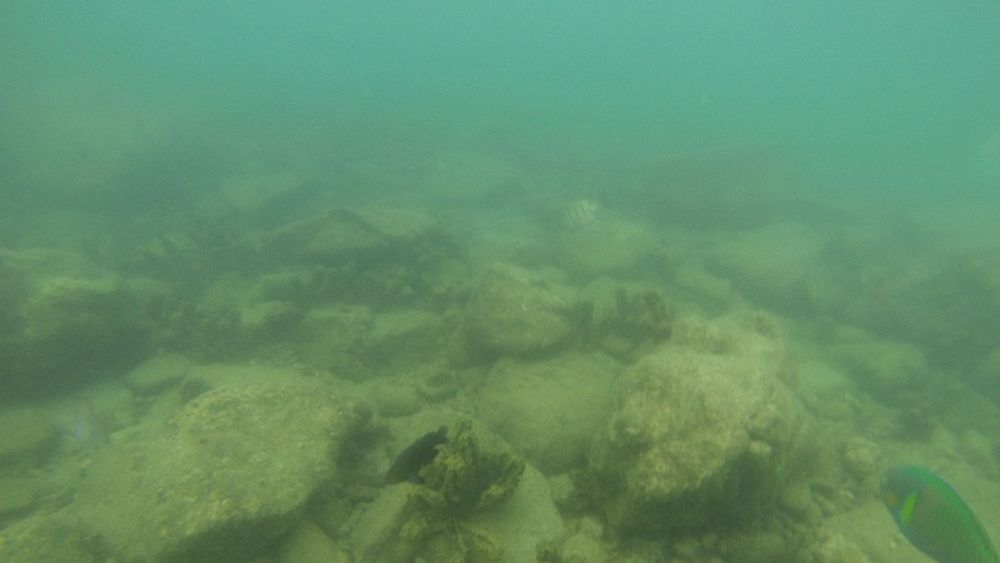
Excess nitrogen is detrimental to the health of aquatic habitats and humans. A recent study has revealed that along a quarter of our planet’s coastal waterways, humans alone contribute more nitrogen than all natural sources combined.
The study measured and mapped the contribution of three major nutrient pollutants – nitrogen, phosphorus and silicon – to the coastal waters on our planet. When in excess, all three nutrients have devastating consequences for marine life as well as human health.
“Coastal ecosystems provide food, jobs, and recreation for billions of people worldwide, but these coastal waters are threatened,” said John Harrison, the corresponding author of the publication and Edward R. Meyer Distinguished Professor in WSU’s School of the Environment.
When it comes to nitrogen, an excess triggers algae and microscopic organisms to reproduce rapidly. A thick layer of algae forms known as an algal bloom, which has an immediate negative impact on the ecosystem.
Water quality declines and the water becomes cloudy, whilst sunlight is blocked from reaching the depths of the water, preventing the normal growth of deeper-growing plants. This includes seabed grasses, which serve the crucial dual function of feeding grounds and nurseries for many marine species.
When these algal blooms eventually die, they decompose naturally, draining the habitat of its oxygen as they do so. The result is an aquatic ‘dead zone’, where most marine life cannot survive.
The positive news is that by reducing nutrient discharge, vast improvements in water conditions can be achieved, and the research highlights which areas may be most effective.
“We need to be sure that we invest our resources where it's going to make a difference,” Harrison said. “This work provides a first cut at a framework to use resources to manage coastal zones efficiently.”
Through mapping and measuring human contributions to marine environments, this study identifies where changes can be reasonably made to directly improve coastal water conditions for marine life and human health.