London Olympics 2012 could be the greenest games ever
It isn’t just BMW, the Official Automotive Partner for the Games, which is helping to ensure that transport arrangements go their way towards making this the greenest Olympics ever.
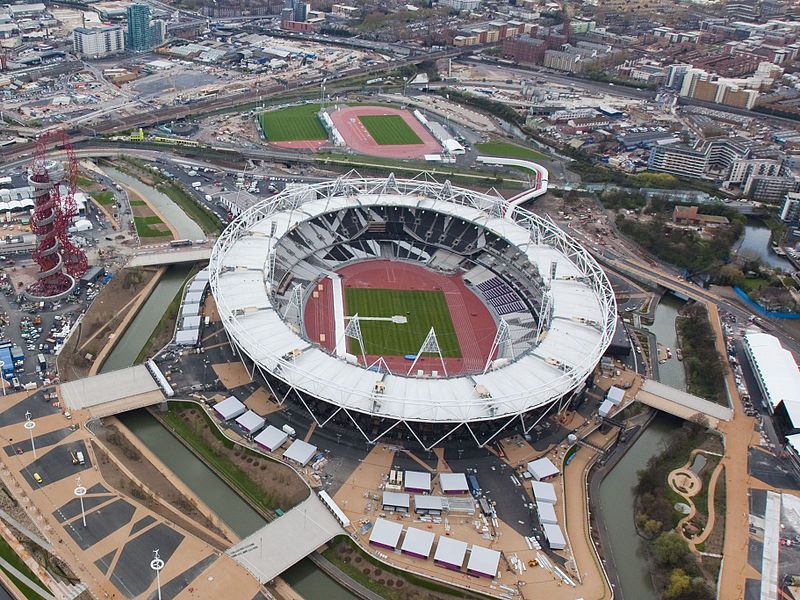
It isn’t just BMW, the Official Automotive Partner for the Games, which is helping to ensure that transport arrangements go their way towards making this the greenest Olympics ever. There are also hydrogen fuelled taxis and scooters, a fleet of Boris bikes, a cable car system linking key Olympic venues and the London Underground to keep people moving in a more sustainable way than sitting in a car in traffic. To ease congestion London has special Games Lanes for athletes, VIPs emergency vehicles and Games officials, to make it easier for them to travel around the Capital.
Hydrogen Buses
An interesting and sustainable method of transport during the games is the hydrogen bus fleet. Five such vehicles, being operated by First Group on behalf of Transport for London, had been running around the capital, along the South Bank, in advance of the Games.
But the buses won’t operate during the Games as there will be no delivers of hydrogen during these two weeks as stipulated in the planning permission for the refuelling station, located in East London. Though we can only speculate, it sounds like the hydrogen buses have been grounded until September, mainly because delivering hydrogen to the East End has been deemed a low priority, in an area likely to be highly congested.
Hybrid and electric cars
Supplying a fleet of more than 4,000 vehicles to support the Games, electric and hybrid models make just 320 vehicles; broken down to 40 electric Minis, 160 ActiveE 1-Series electric car and 120 ActiveHybrid 5 models. BMW will also be using its Games sponsorship to publicise the launch of its new i sub-brand; especially designed for plug-in models. Both the i3 fully electric supermini, expected to launch in 2014 and the i8 plug-inn hybrid sports car, expected to arrive in 2013, will be on display in the Olympic Park.
We have to admit that the 116g/km CO2 average is pretty impressive considering that BMW doesn’t make particularly small cars, and with an exception of a handful of Minis in this fleet, the rest are C-segment vehicles.
Could the games be greener?
There is no doubt that this Olympics have made a bold statement about sustainability, but could we have done more?
There has been criticism of some of the Games key sponsors such as McDonald’s, BP and EDF over their respect of environmental issues, but the Games organisers themselves have made sustainability a key part of the events. According to Games’ partners WWF and BioRegional, the London Olympics have achieved their key target; they are the Greenest Gamers ever.
The Games will not meet its target for 20% of energy from renewables, because health and safety concerns prevented the installation of a huge two-megawatt wind turbine. As a result, it is expected that the Games will only achieve an 11% target.
We’d also have liked to have seen more electric cars involved in the Games too. But nonetheless, transport considerations have been well catered for the ordinary spectators. Ticket holders are automatically given a one-day travelcard to enable them to use trains and buses to get to their venue.
There has also been a successful Active Travel plan to encourage walking and cycling with 7,000 cycle bays in the Olympic Park. There is very little parking around venues so unless you are an official, driving to an event is near impossible. In a huge city like London that’s as it should be.
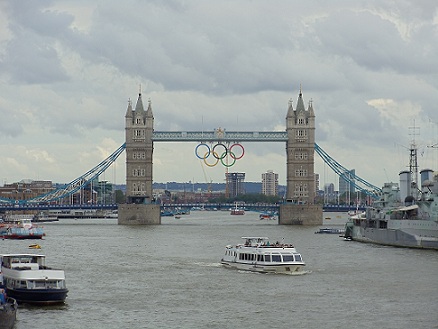
Image 01 - Tower Bidge Olympics 2012. Danesman1