Climate Week NYC 2025: Momentum from Commitment to Action
Climate Week NYC 2025 marked a shift from commitments to execution, with investors and policymakers focused on scaling climate finance, resilience, and just transition ahead of COP30.
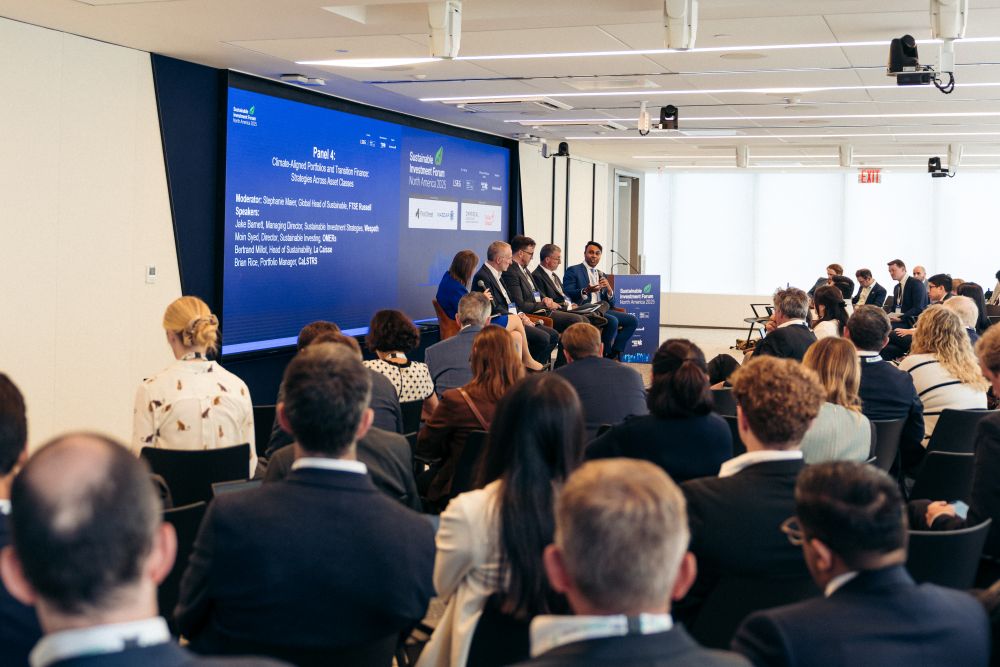
Climate Week NYC 2025 carried a different weight this year. The conversations were less about why climate finance and sustainable investing matters and more about how to make it work at scale. Across panels and private exchanges, a consistent message emerged: investors, lenders, and policymakers are past theory. The challenge now is execution.
Despite record levels of climate commitments, investment in clean energy, resilient infrastructure, and adaptation is not yet moving at the pace needed. However, institutions are increasingly embracing blended finance and innovative partnerships, especially in emerging markets where opportunities are enormous but capital remains scarce. While systemic barriers—such as policy uncertainty and fragmented standards—still pose challenges, there is growing momentum and creativity driving solutions that can accelerate deployment.
The concept of “double materiality” has moved from jargon into practice, forcing investors to look both ways: how climate change affects portfolios, and how portfolios affect the world. This dual perspective is reshaping risk assessment, reporting, and even the definition of fiduciary duty. The reality, however, is messy. Conflicting regulations across jurisdictions make compliance complex, but the shift is pushing investors to turn data into actionable decisions rather than mere compliance exercises.
Resilience was another dominant theme. As climate shocks intensify, the financial system is being forced to reprice assets and rethink risk models. New tools are making exposures more visible, but they also highlight how risks compound across geographies and sectors. The conversations underscored that adaptation is no longer just defensive. It is also an opportunity, from infrastructure that withstands extremes to innovative financial products that reward preparedness.
Transition finance generated a similar dual message: progress, but uneven. Investors are deploying climate scenario tools and sector-based alignment models, but integrating them across public markets, private assets, and fixed income remains inconsistent. Mitigating risks while still meeting performance expectations, is now central to portfolio strategy.
Blended finance emerged repeatedly as both a promise and an opportunity. While models that combine concessional, development, and private capital are well established, execution is catching up. The key challenge is not the availability of capital, but rather the need for more investable projects and stronger coordination to bring multiple stakeholders together—an area where innovation and collaboration are driving real progress.
The closing conversations widened the frame to include equity, labour, and biodiversity. The just transition — ensuring decarbonisation does not come at the expense of vulnerable workers or communities — was presented not as a moral add-on but as core to long-term resilience. The road to COP30 will test whether investors can embed these broader social safeguards into climate finance at scale.
Outside the panels, side discussions made clear that the insurance sector is on the frontline. Escalating claims are challenging the viability of existing models, yet insurance could also be the lever that channels capital into resilience. If coverage becomes unavailable or unaffordable, the ripple effects for lending and investment could be profound.
Climate Week NYC 2025 showcased a financial sector on the brink of transformation. Climate risk is no longer abstract—disclosure frameworks, physical shocks, and policy shifts are driving urgent action. The challenge—and the opportunity—is for capital markets to move decisively from frameworks and pilots to tangible flows and measurable outcomes, meeting the pace the climate crisis demands. As COP30 approaches, this is a pivotal moment for investors, policymakers, and institutions to accelerate sustainable investing and deliver real-world impact.