Climate change is already reshaping habitat for Europe’s bumblebees
Biodiversity loss has many drivers - overexploitation, pollution, invasive species, and climate change among them. But determining how much of the loss is from climate change alone has proven difficult. A new study by Belgian researchers, coordinated by the Spatial Epidemiology Lab and involving six universities, set out to quantify this for one of Europe's most important pollinator groups: bumblebees.
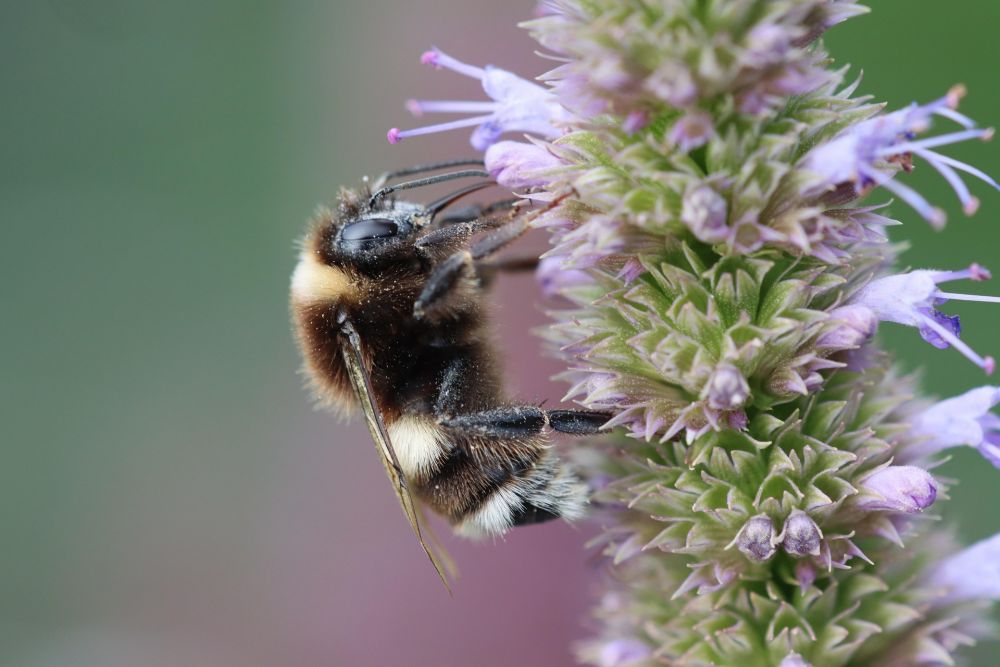
Biodiversity loss has many drivers - overexploitation, pollution, invasive species, and climate change among them. But determining how much of the loss is from climate change alone has proven difficult. A new study by Belgian researchers, coordinated by the Spatial Epidemiology Lab and involving six universities, set out to quantify this for one of Europe's most important pollinator groups: bumblebees.
The team analysed more than 800,000 records covering 47 bumblebee species and used these to build models of ecologically suitable habitat for each species. They then compared two scenarios: the historical climate recorded between 1901 and 2019, and a model in which the long-term warming trend was removed. The gap that remains is an indicator of how this warming alone has affected bumblebee habitat.
The results show clearly that climate change has reduced suitable habitat by 5% on average across Europe, with local reductions of up to 19%. That impact has grown more pronounced since the 1980s, the same period when warming became faster, and has hit southern and central Europe the hardest.
Not every region has had the same trend. In Alpine and Boreal areas, bumblebees have gained newly suitable habitat at higher altitudes which has reduced the losses in lower areas. This means the net change has been minimal. But that buffer doesn’t exist everywhere.
The researchers conclude that climate change is already altering the conditions European bumblebees depend on, and that these shifts are likely to intensify as warming continues. They suggest that climate change mitigation alongside targeted and improved habitat conservation are required as a combined response to this issue. Both approaches are together essential in protecting the pollinator species that Europe’s ecosystems depend on.