
A Quick Guide to Carbon Market Integrity
Integrity is the backbone of effective carbon markets. This guide helps you understand the core criteria for assessing credit quality and driving real climate impact.
Integrity is the backbone of effective carbon markets. This guide helps you understand the core criteria for assessing credit quality and driving real climate impact.
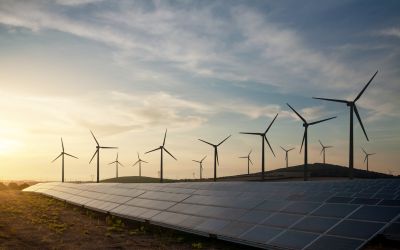
Global energy investment is on track to reach a record $3.3 trillion in 2025, with clean technologies leading the charge. Grid infrastructure and regional equity continue to be the key barriers to further progress.
As the urgency to limit global warming to 2°C intensifies, investors are increasingly looking to climate solutions as both a lever for emissions reductions and an attractive investment opportunity. But achieving global climate goals requires more than allocating capital to low-carbon technologies. It demands deliberate, forward-looking investment strategies – ones that prioritise the most meaningful climate solutions and build the ecosystems needed to scale them.

The 2025 edition of BNP Paribas’ ESG survey reveals that institutional investors remain committed to sustainable investment, shifting toward thematic, impact-driven strategies amid a changing political and regulatory landscape.
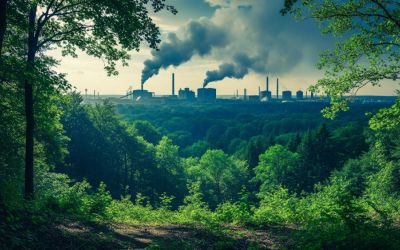
Sustainability trends have become ubiquitous in the business world, mainly due to the attention ESG is receiving. To state the obvious, this is a positive trend as it helps push companies to consider their impact on the environment, employees, and customers and ensure their governance practices are sound. However, it also incentivizes actors in the business world to try to game the system through marketing campaigns to improve their reputation.

CreditNature invites governments to pioneer high-integrity nature markets and global biodiversity action through the adoption of the NARIA framework.
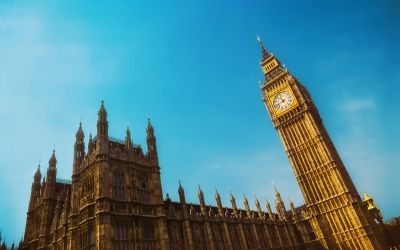
The Wildlife Trusts and the RSPB have condemned Part 3 of Labour’s Planning and Infrastructure Bill, warning it threatens to undermine the UK's biodiversity goals by weakening protections for vital natural habitats
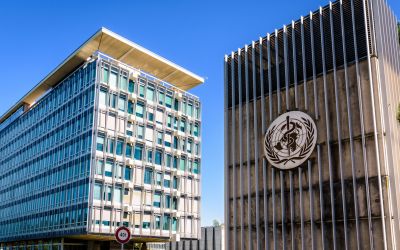
In a historic step towards strengthening global health security, 124 WHO member states have adopted a new Pandemic Agreement aimed at preventing future outbreaks and promoting equitable access to life-saving tools.
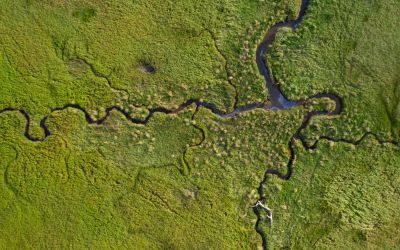
Oxford researchers have developed a groundbreaking global river map that could transform how the world prepares for and responds to flooding in the face of climate change.
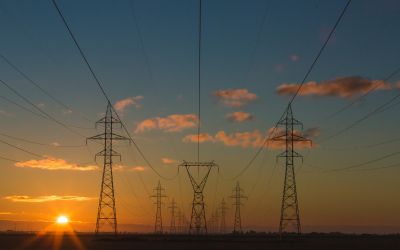
Europe’s push for clean energy is being undermined by a power grid system unfit for the rapid growth of renewables, according to a new report exposing widespread delays, inefficiencies, and outdated planning across the continent.
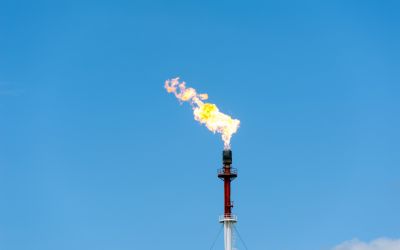
A new report from Green Alliance calls on the UK government to urgently scale up methane reduction efforts, warning that bold, near-term action is essential to slow global warming and prevent dangerous climate tipping points.

Earlier this week in Paris, Climate Action in partnership with UNEP FI, mobilised the nature and sustainable finance community for two energising days of dialogue, insight, and collaboration.
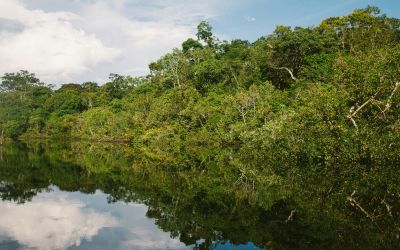
In a major step toward aligning climate finance with Indigenous-led conservation, a new $50 million outcome bond has been launched to support forest protection efforts in the Amazon, led by Everland in partnership with BNP Paribas.

Dave Bircher, Director of Growth at WeForest, spoke to Climate Action in the lead up to the Nature Finance Forum Europe, taking place on April 28th in Paris.

Climate change presents an increasingly growing risk to the global economy, threatening long-term prosperity and the exposure of the financial system. In recent years, nature has inched from the periphery of discussions on risk, with growing recognition on nature-related dependencies. Yet, there is still major steps to be taken to price nature into the financial system.
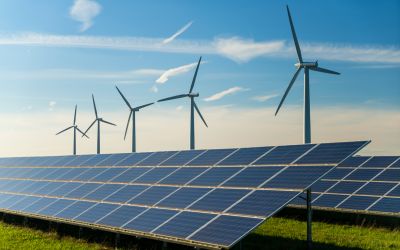
As Earth Day 2025 calls for the world to unite behind the clean energy transition, a pressing question takes centre stage: can we accelerate climate action without jeopardising energy security or are we framing the challenge all wrong?