Wind and Solar Overtake Gas. What It Means for Energy Strategy
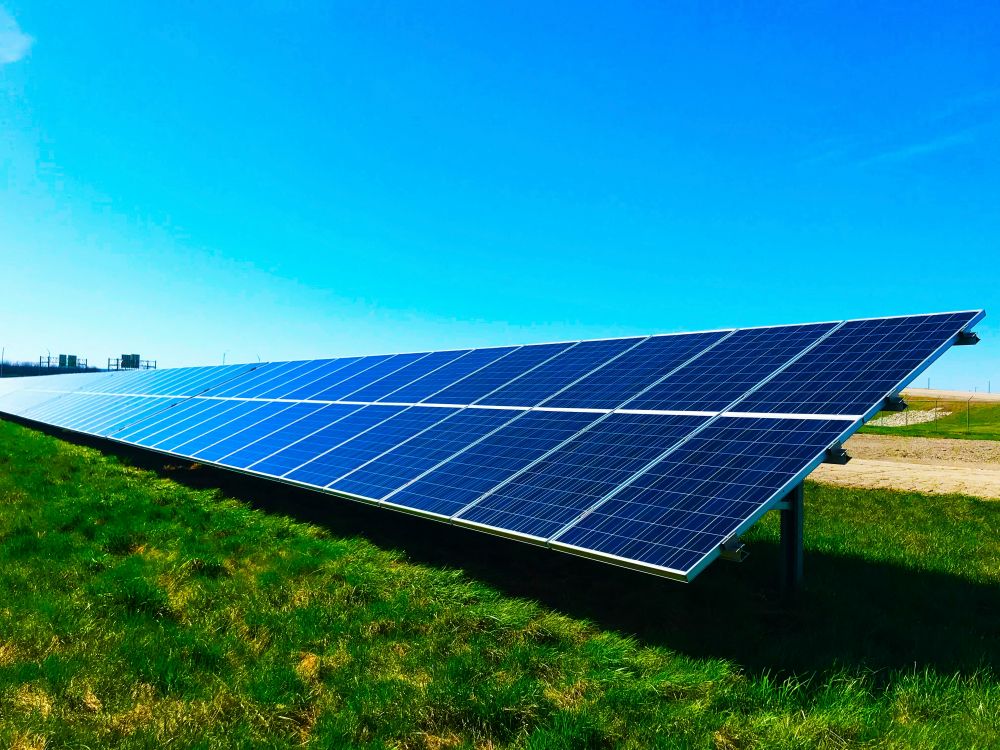
Wind and solar have beaten gas in global electricity generation for the first time. Here is what the data shows, and what it means for energy and sustainability leaders.
COP31 co-presidents Türkiye and Australia are calling for renewed multilateral commitment on climate action, with clean energy and resilient infrastructure at the top of the agenda. As legal accountability for climate inaction grows and the multilateral process faces scrutiny, the stakes around the November summit are coming into focus.
A new Tony Blair Institute report argues that without artificial intelligence, the cost and complexity of Britain’s clean-energy transition will remain unnecessarily high, with balancing costs potentially reaching £8 billion a year by 2030.
As sustainable finance shifts from ambition to execution in 2026, investors are redefining resilience—pricing geopolitical, climate, and transition risks to unlock long-term, sustainable value across global markets.
The energy sector is considered one of the most carbon-intensive ones, with 70% of global GHG emissions coming straight from fossil fuel combustion for heat and power. The energy transition is in the heart of climate change mitigation efforts all around the world, with the international community working with one accord towards solving the energy puzzle.
A recent WWF international report identifies the asset value of the world’s oceans at $24 trillion- the equivalent of the seventh largest global economy. The accuracy of this however is certainly questionable…